Case study · Mastercard / Multi-country
Design the devices, and the platform behind the fleet.
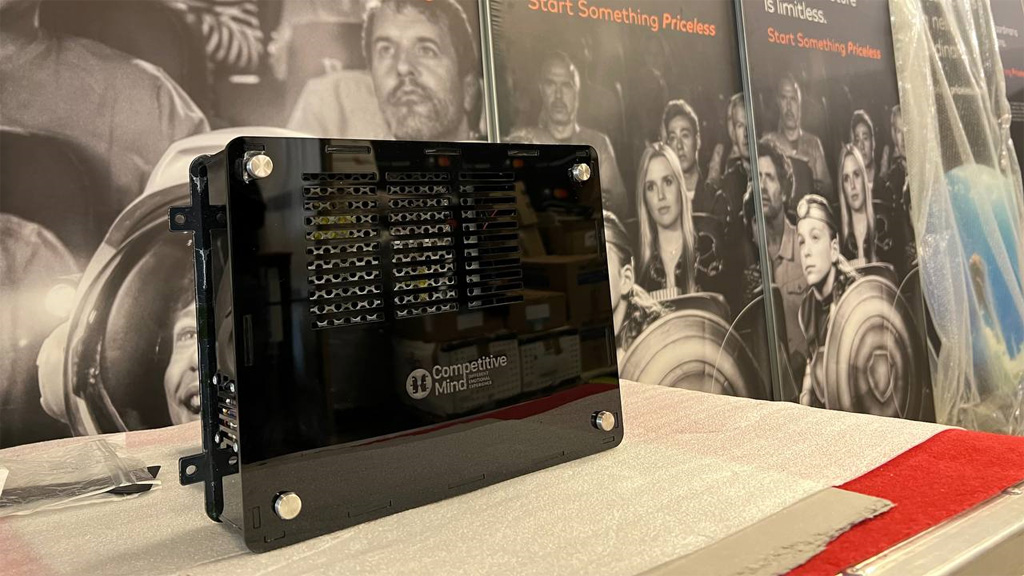
Custom hardware and software for multiple physical devices, connected to one remote management platform and deployed across European countries.
- Brand
- Mastercard
- Fleet
- 22 connected units: 16 Fast Track, 4 Charity, 2 Charging Station
- Deployment
- Major Italian airports — Bergamo, Fiumicino, Linate, Verona, Olbia, Naples, Turin and Cagliari among them — plus units in France, and a Charity unit in London still in service
- Commissioned by
- Competitive Mind (agency), with GiacApp as technical producer
- GiacApp role
- Hardware design, embedded and platform software, remote management system
- Technology layer
- Custom hardware · Payter contactless payment terminals · QR readers · one platform for configuration and analysis of the whole fleet
Challenge
One brand, many venues, no engineer in the room.
A device that only works when a technician is standing next to it is not a product. The brief covered several different physical touchpoints used across countries, each of which had to run unattended, be updated remotely and behave identically wherever it landed.
Solution
Three device families, one management platform.
Fast Track: totems that let a guest through access control and check in on their own, the way an airport or a congress fast lane works. Charity Billboard & Showcase: units that turn a card tap into a donation and a gadget draw; the same units also travelled with a national music tour. Charging Stations: secure charging and storage for phones and tablets.
The fleet is 22 connected units: 16 Fast Track, 4 Charity and 2 Charging Station. The Fast Track totems carry a Payter contactless payment terminal for card reading and a QR reader for access. Most sit in major Italian airports — Bergamo, Fiumicino, Linate, Verona, Olbia, Naples, Turin and Cagliari among them — some have run in France, and a Charity unit in London is still in service today.
GiacApp designed both the hardware and the software, and built the single web platform that configures, monitors and analyses every unit in the fleet remotely.
Why it matters
The engineering is the product.
Anyone can put a screen in a box. Owning the boundary between the enclosure, the embedded software, the card reader and the remote management layer is what makes a fleet deployable in more than one country.
A device that needs a technician standing next to it is not a product.
Hardware + software
Inside the project
Planning something similar?
Talk to us before the technical choices become fixed constraints.